
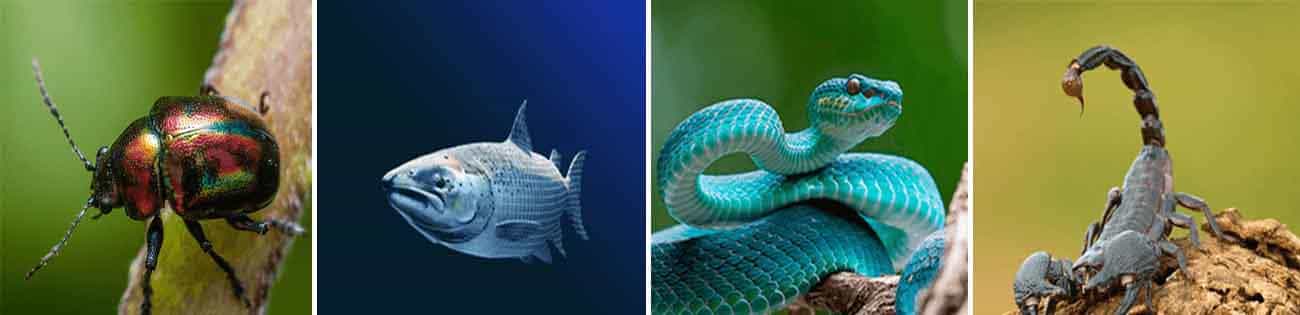
Snakes harbour diverse bacterial communities
associated with different anatomical sites, including the oral cavity, venom
glands, internal organs, gastrointestinal tract, blood and cloaca. These
microbial communities play important roles in host ecology, disease
transmission, venom-associated interactions and the emergence of pathogenic or
antimicrobial-resistant bacteria. Understanding the bacterial diversity
associated with snakes is therefore essential for both wildlife health and
public health perspectives.
This review summarizes the current knowledge of bacterial
communities reported from various snake derived samples, including oral, venom,
organ, gut, blood and cloacal sources. The available literature demonstrates
considerable variation in bacterial composition among snake species and
sampling sites, with microbial diversity influenced by host species, geographic
distribution, habitat, diet and environmental conditions. Several bacterial
taxa have been identified as normal commensals while others are associated with
opportunistic infections and potential zoonotic risks.
Please enter the email address corresponding to this article submission.